



From the Convergence Apothecary & Wellness Kitchen
Wellness at Home
Simple teas, herbal preparations, and DIY wellness supports for calm, comfort, and nervous-system care — plus books and wellness products from our founders.
Educational wellness ideas for Veterans, families, and everyday recovery routines.
The Recipe Library
Simple wellness recipes and home practices designed to support calm, comfort, grounding, and everyday restoration — practical, approachable tools for daily life that reflect the restorative spirit of the Convergence retreat and wellness center.
Muscle & Joint Support
-
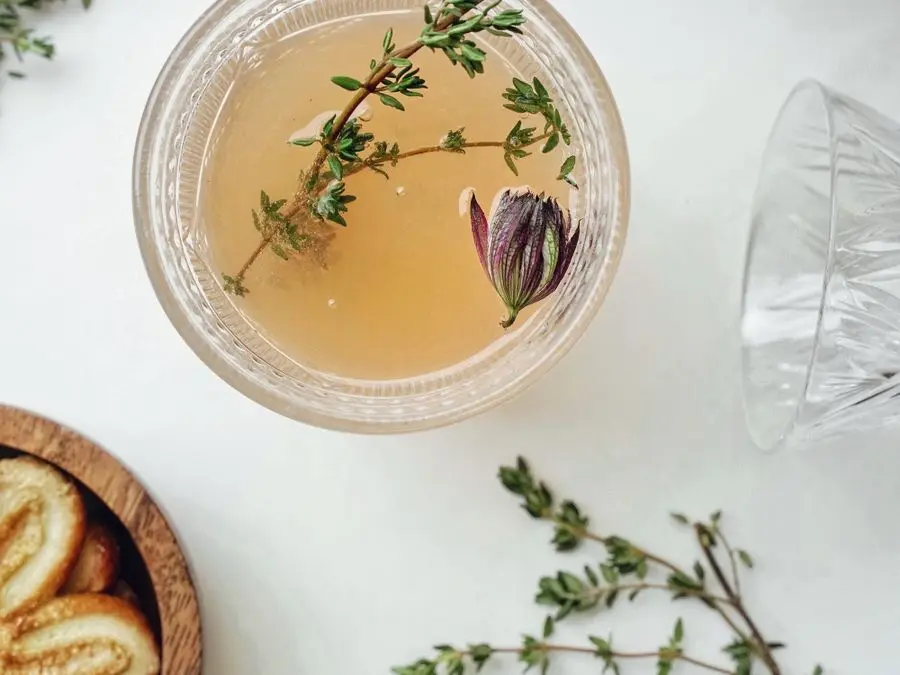 Veteran's Rosemary Relief Tea for Muscle, Joint & Back Comfort TeaMuscle & Joint Support View recipe Hide recipe
 A warm rosemary infusion to sip as part of a calming routine — comforting after a long or physically demanding day.
Ingredients
- 1 teaspoon dried rosemary, or 1 small fresh sprig
- 1 cup hot water
- Lemon or honey, to taste (optional)
Steps
- Add the rosemary to a cup and pour hot water over it.
- Steep for 5 to 10 minutes.
- Strain and drink warm.
-
 Veteran's After-Action Herbal Compress for Tension Herbal CompressMuscle & Joint Support View recipe Hide recipe
 A warm herbal compress to ease tension in the neck, shoulders, or back.
Ingredients
- 2 tablespoons dried lavender or rosemary
- A clean cloth or small cotton bag
- Hot (not boiling) water
Steps
- Tie the herbs into the cloth or bag.
- Dip briefly in hot water, then wring out the excess.
- Let cool until warm, not hot, to the touch.
- Apply to the tense area for 10 to 15 minutes, re-warming as needed.
Test the temperature on your wrist first to avoid burns.
Sleep Support
-
 PTSD / Nervous System Calming Herbal Tea TeaSleep Support View recipe Hide recipe
 A gentle blend for winding down, easing tension, and preparing the body for rest.
Ingredients
- 1 teaspoon dried chamomile
- 1 teaspoon dried lemon balm (or lavender)
- 1 cup water
- Honey to taste (optional)
Steps
- Boil water, then remove from heat.
- Add the herbs, cover, and steep 5 to 7 minutes.
- Strain, sweeten if desired, and sip in a quiet space as part of your evening routine.
Chamomile may not suit those with ragweed allergies.
Grounding
-
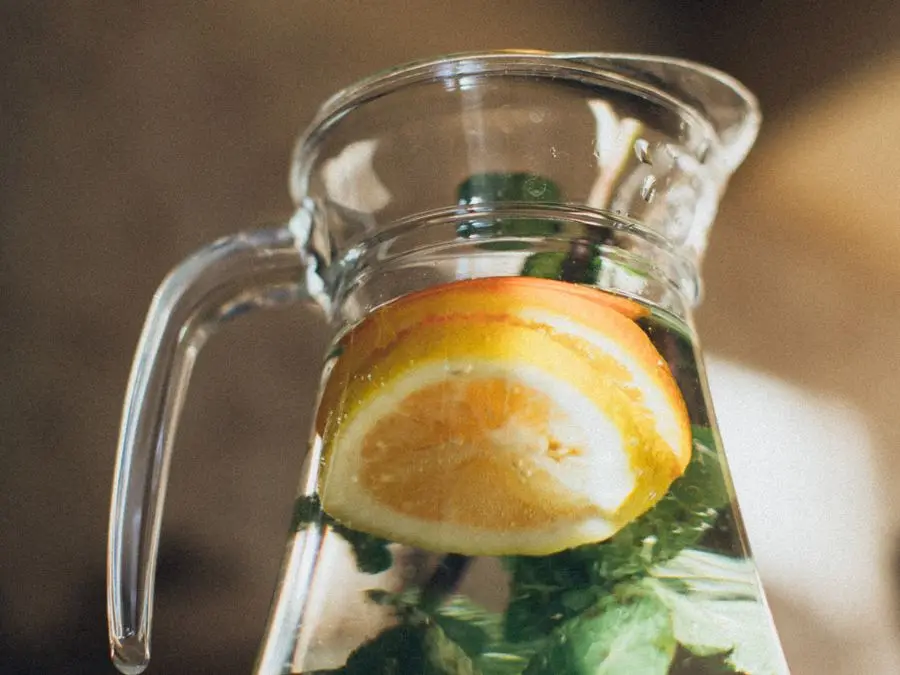 Hypervigilance Grounding Citrus-Mint Water Food-Based RecipeGrounding View recipe Hide recipe
 A refreshing infused water that engages the senses and offers a simple grounding ritual any time of day.
Ingredients
- 4 cups cold water
- 1/2 orange, sliced
- 1/2 lemon, sliced
- A handful of fresh mint leaves, gently crushed
Steps
- Combine the water, citrus, and mint in a pitcher.
- Press the mint gently to release its aroma.
- Refrigerate for at least 1 hour.
- Before drinking, take a slow breath in and notice the scent — a small grounding pause.
Heart Support
-
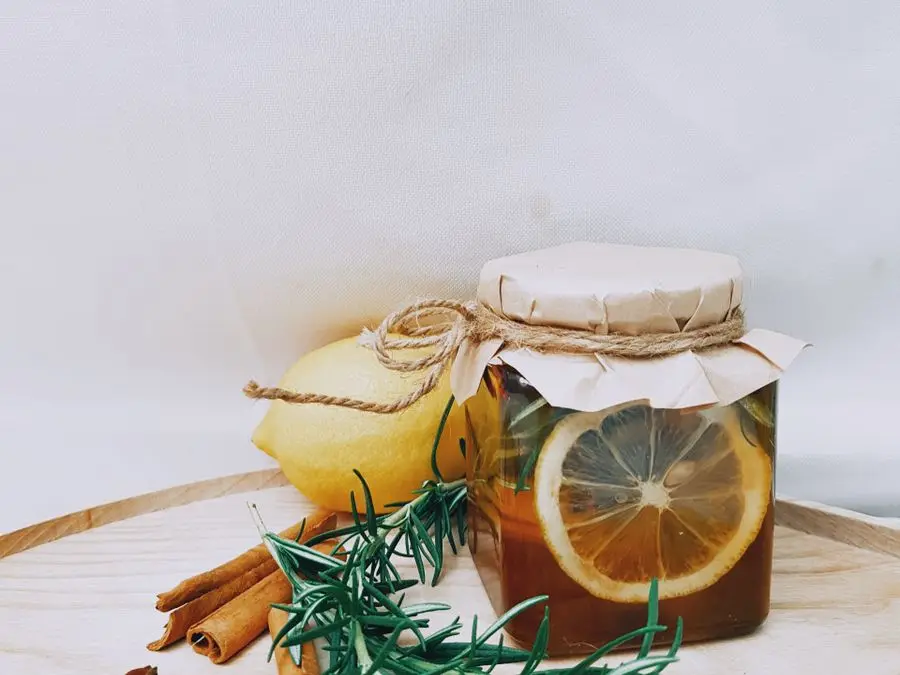 Veteran's Heart Wellness Infusion TonicHeart Support View recipe Hide recipe Print recipe
TIER 1 LIVING
Veteran's Heart Wellness Infusion
Garlic • Ginger • Lemon • Apple Cider Vinegar • Honey • Ceylon Cinnamon • Cayenne
A Research-Informed, Everyday Wellness Ritual
This whole-food infusion combines garlic, ginger, lemon, apple cider vinegar, raw honey, Ceylon cinnamon, and ground cayenne pepper in a practical daily blend. Each ingredient has been studied for cardiometabolic or whole-body health markers; together, they create an easy, consistent way to bring research-studied foods into hydration, tea, and nourishing meals.
One-Quart Formula
Garlic 10–12 cloves, peeled and smashed Fresh ginger 1/2 cup, thinly sliced or coarsely grated Lemon 1 small lemon, thinly sliced; seeds removed Ceylon cinnamon 1 stick, broken in half, or 1/2 tsp ground Ground cayenne pepper 1/4 teaspoon Raw apple cider vinegar 2–2 1/2 cups; enough to cover solids Raw honey 1/2 cup, plus more to taste after straining Optional fresh turmeric 1–2 tbsp, thinly sliced or grated Research-Informed Ingredient Benefits
Garlic Human trials of garlic preparations show reductions in blood-pressure and lipid-related markers. Ginger Randomized-trial reviews show improvements in glycemic measures, triglycerides, and blood-pressure markers. Apple cider vinegar Clinical-trial meta-analyses show lower fasting glucose, HbA1c, and total-cholesterol markers. Ceylon cinnamon Randomized-trial reviews report improvements across glucose, lipids, blood pressure, inflammation, and oxidative-stress markers. Lemon Provides vitamin C, an antioxidant nutrient that supports normal cell protection and collagen formation. Raw honey Controlled-feeding trials show favorable shifts in fasting glucose and several lipid markers when used in place of refined sugar. Optional turmeric Clinical-trial research shows reductions in LDL and triglyceride markers with turmeric/curcumin interventions. Cayenne pepper Cayenne pepper contains capsaicin, a plant compound associated with circulatory and cardiovascular support along with lower cardiovascular mortality. Regular use of cayenne in foods, water, or capsules supports better blood flow through more open vessels, less resistance for the heart to pump against, and support for arterial-wall integrity. The Combination
The value of the blend is its combined support for key cardiometabolic domains studied across its ingredients — blood pressure, blood sugar, cholesterol and triglycerides, antioxidant capacity, and inflammatory balance — while making those foods enjoyable and easy to use every day. This is a research-informed food ritual within a broader heart-conscious lifestyle.
Preparation & Use
- Wash and dry all the ingredients.
- Smash the garlic and let it rest for 10 minutes.
- Add the solids to a clean quart jar, including the ground cayenne pepper.
- Cover completely with apple cider vinegar, leaving 1/2 inch of headspace, then add the honey.
- Seal with a plastic lid (or parchment beneath a metal one). Refrigerate immediately and shake daily for 14 days.
- Strain, sweeten to taste, and refrigerate. Stir 1 tablespoon into at least 8 ounces of water, tea, or sparkling water.
A Grounding Daily Ritual
For Veterans and others carrying the weight of high-stress experiences, preparing a warm or chilled drink, sharing it with community, or adding it to a nourishing meal can be a small act of pause, grounding, and personal care. It complements a whole-person routine of hydration, nourishing food, movement, rest, connection, and appropriate professional support.
Food Product Note
This is a culinary pantry infusion made from food ingredients. It is designed to promote heart health as part of an overall lifestyle.
Selected research: Garlic BP meta-analysis: Ried et al., 2016, J Nutr. Garlic BP trials: Ried et al., 2020, Exp Ther Med. Ginger RCT meta-analysis: Rjabi et al., 2026. Apple cider vinegar meta-analysis: Hadi et al., 2021, BMC Complement Med Ther. Cinnamon GRADE review/meta-analysis: 2025, BMC Complement Med Ther. Honey controlled-trial meta-analysis: Khan et al., 2023, Nutr Rev. Turmeric/curcumin lipid meta-analysis: Sahebkar et al., 2017. Vitamin C fact sheet: NIH Office of Dietary Supplements, 2026.
-
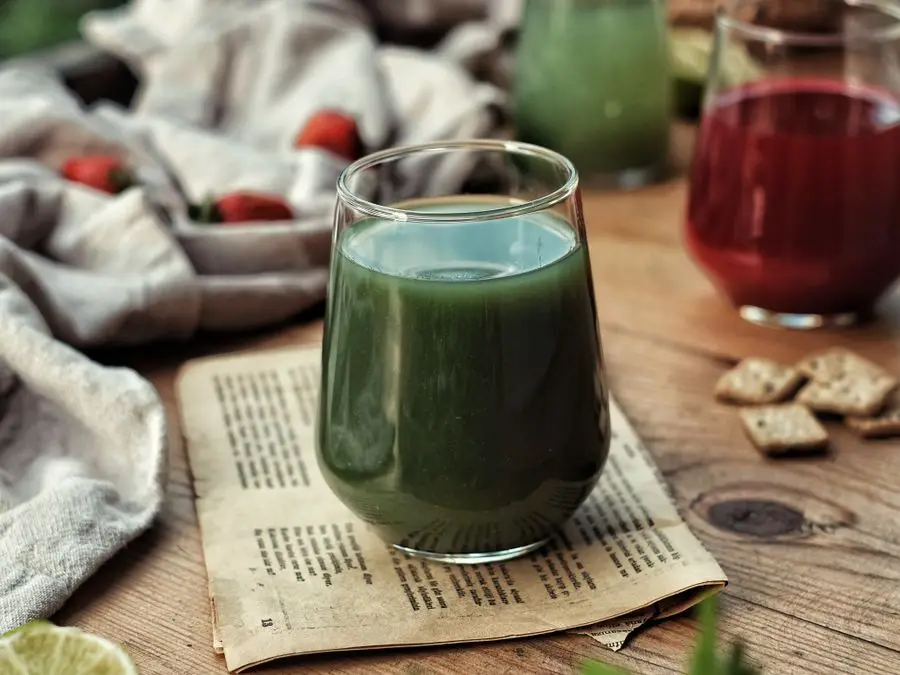 Veteran's Heart-Health Vegetable Juice JuiceHeart Support View recipe Hide recipe Print recipe
 TIER 1 LIVING
Veteran's Heart-Health Vegetable Juice
Cucumber • Lemon • Ginger • Turmeric • Beet • Radish • Greens • Cayenne
A Research-Informed, Low-Carb Daily Wellness Ritual
This Tier 1 Living beverage combines low-sugar vegetables, herbs, spices, lemon, and radish to support a nutrient-dense, heart-conscious dietary pattern while keeping the full serving generally below 20 grams of net carbohydrates.
One-Batch Formula: Juicing Order
1. Cucumber 1 large 2. Lemon Juice of 1/2 lemon or peeled lemon segments 3. Fresh ginger 1-inch piece 4. Fresh turmeric Small piece 5. Raw beet 1 small beet, about 50 g 6. Red radish 1 medium, washed and trimmed 7. Romaine lettuce or bok choy 1–2 cups, tightly rolled 8. Cilantro 1 packed cup, fed in small bundles 9. Parsley 1 packed cup, fed in small bundles 10. Celery 5 stalks, cut into short lengths; feed last After juicing: Cayenne pepper 1 small pinch, about 1/32–1/16 tsp; stir into juice Research-Informed Heart-Health Benefits
Blood pressure Beets provide dietary nitrates that the body can convert to nitric oxide, supporting normal blood-vessel relaxation and blood flow. Circulation Nitrates from beets and leafy greens, together with potassium from celery and cucumber, support vascular function and healthy circulation. Phytochemicals The blend supplies polyphenols, flavonoids, carotenoids, betalains, glucosinolates, curcuminoids, gingerols, citrus flavanones, and capsaicin. Antioxidant defenses Beet betalains, radish glucosinolate-related compounds, turmeric curcuminoids, ginger compounds, parsley flavonoids, and lemon vitamin C and flavonoids contribute antioxidant activity. Vitamin K1, potassium & magnesium Cucumber and leafy greens supply primarily vitamin K1, while the vegetables and herbs contribute minerals that support normal cardiovascular and muscle function. Cayenne pepper Contains capsaicin, a plant compound associated with circulatory and cardiovascular support and lower cardiovascular mortality; supports better blood flow, less resistance for the heart to pump against, and arterial-wall integrity. Metabolic & Glucose-Support Benefits
Turmeric and curcumin Support healthy inflammatory balance and insulin sensitivity; human trials report improvements in fasting glucose, HbA1c, fasting insulin, and HOMA-IR. Ginger Studied for its role in glucose balance and healthy insulin response, including favorable changes in fasting blood glucose and HbA1c in small clinical trials. Cayenne pepper Provides capsaicin, associated with insulin sensitivity and a more balanced post-meal glucose response, plus anti-inflammatory and antioxidant support. Fresh lemon Natural acidity that can support a gentler post-meal glucose curve when paired with food. Romaine, cilantro, parsley, radish, cucumber & celery Offer fiber, hydration, minerals, and low-glycemic plant nutrition. Measured beet portion Supports nitric-oxide and vascular-health goals while keeping carbohydrate load controlled; keep beet at about 50 grams or less when glucose management is the priority. Yield & Net Carbs
About 16–22 ounces per batch, with an estimated 12.5–16.5 grams of net carbohydrates, including one medium radish.
Preparation & Use
- Wash produce thoroughly. Trim the beet to about 50 grams; wash and trim the radish.
- Use the ingredient order above. Roll greens and herbs tightly and feed them gradually.
- Do not force produce through the chute. If pulp slows, use the reverse function briefly if your machine has one.
- Serve fresh. Begin with one-half serving if you are monitoring your tolerance or blood-pressure response.
Food Product Note
This is a culinary, whole-food beverage designed to promote heart health and support a low-carbohydrate lifestyle as part of an overall wellness plan. Adjust ingredient amounts for individual dietary needs, and consult a clinician or pharmacist if you use blood-pressure medicines, vitamin-K-sensitive anticoagulants, glucose-lowering medication, or have other medication-related dietary restrictions.
Digestive Support
-
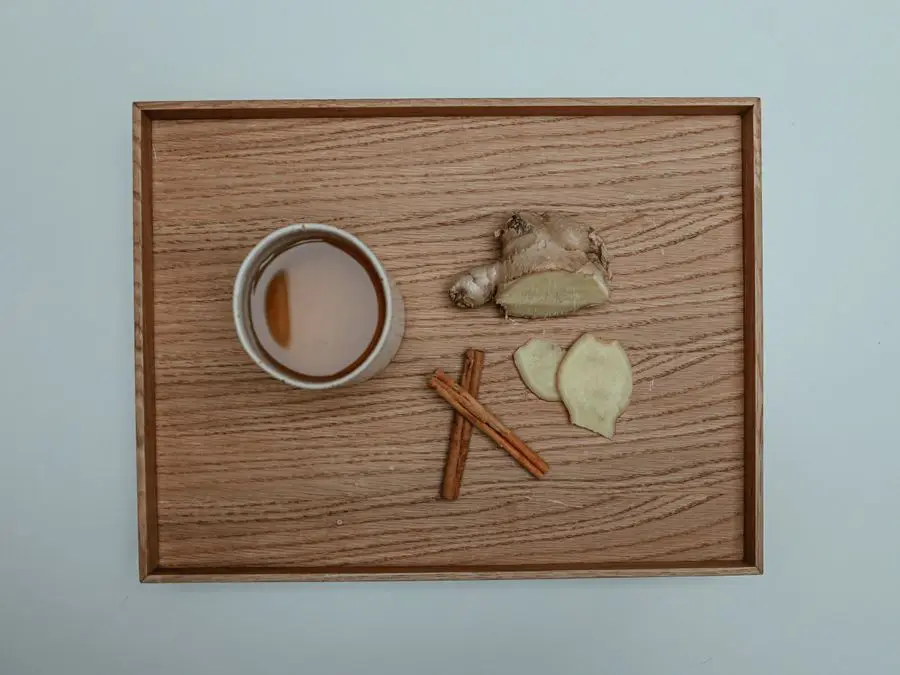 Deployment Recovery Ginger Tea for Digestive Comfort TeaDigestive Support View recipe Hide recipe
 A warming, comforting tea to ease digestive discomfort and bring a sense of ease after a long day.
Ingredients
- 1-inch piece fresh ginger root, thinly sliced (or 1 teaspoon dried ginger)
- 2 cups water
- Honey or lemon to taste (optional)
Steps
- Bring the water to a gentle boil.
- Add the ginger, reduce to a simmer, and steep 8 to 10 minutes.
- Strain into a mug, adding honey or lemon if you like.
- Sip slowly.
Ginger has mild blood-thinning properties — check with a doctor if you're on blood thinners.
Kitchen Apothecary
-
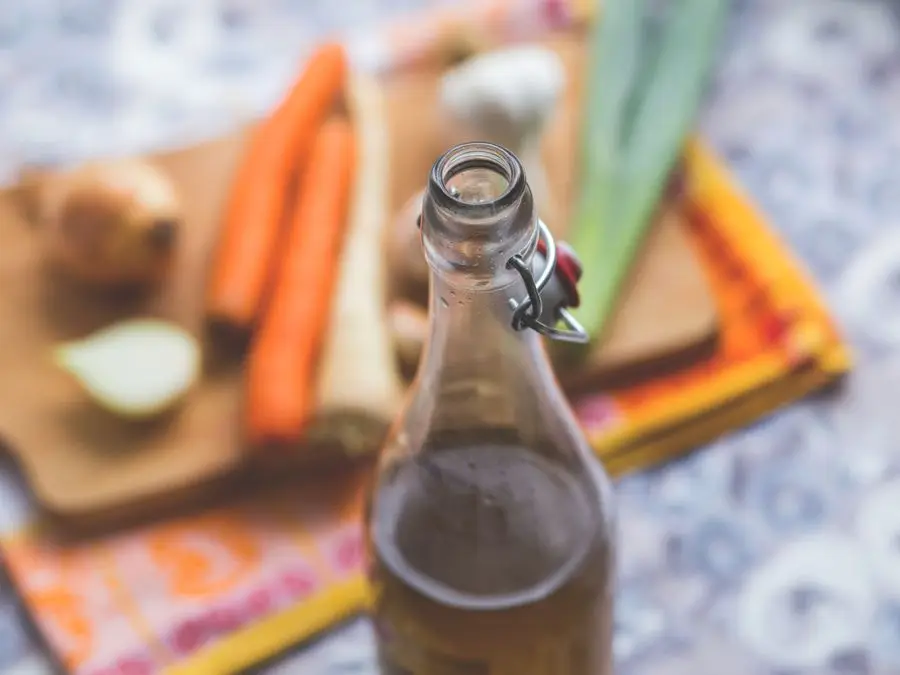 Veteran's Field Rosemary Culinary Vinegar DIYCulinary Vinegar View recipe Hide recipe Print recipe
 TIER 1 LIVING
Veteran's Field Rosemary Culinary Vinegar
Field Manual Recipe Card · Fresh & Dried Herb Protocols
Mission Profile
A small-batch culinary-apothecary vinegar for dressings, marinades, vegetables, beans, shrubs, mocktails, and rosemary oxymels.
TIER 1 STANDARD: Begin with commercially prepared food vinegar labeled 5% acidity or higher. Use clean glass, clean tools, and sound herbs. Keep fresh rosemary fully submerged. Strain completely. Refrigerate the finished vinegar.
Batch Specifications
Yield Approximately 2 cups / 1 pint / 475 mL Container Clean glass jar with nonmetal lid, or parchment barrier beneath a metal lid Fresh rosemary ratio 3–4 medium sprigs OR 1/2 cup loosely packed leaves/tender tips per 2 cups vinegar Dried rosemary ratio 2–3 tablespoons fully dried, lightly crushed leaves per 2 cups vinegar Finished storage Refrigerated, tightly sealed Select Your Vinegar
Vinegar Flavor Profile Tier 1 Use Raw apple-cider vinegar Fruity, rustic, softly tangy Oxymels, shrubs, beans, wellness-style drinks, hearty dressings White-wine vinegar Light, floral, clean Vinaigrettes, fish, chicken, vegetables Distilled white vinegar Sharp, neutral Bright rosemary profile and simple culinary applications Red-wine vinegar Full-bodied, robust Mushrooms, lentils, roasted vegetables, marinades Do not dilute the vinegar before infusion. Do not use homemade vinegar of unknown acidity.
Protocol A · Fresh Rosemary + Warm Vinegar
MISSION: Choose this protocol for the fastest extraction and a fuller, robust rosemary profile. It is not the preferred choice when preserving the unheated/raw character of apple-cider vinegar is your priority.
Ingredients Amount Fresh rosemary 3–4 medium sprigs OR 1/2 cup loosely packed leaves/tender tips Food vinegar, 5% acidity or higher 2 cups / 475 mL - Select healthy rosemary; remove damaged leaves. Rinse only if needed, then dry thoroughly.
- Lightly bruise leaves and tender stems. Place in a clean heat-safe glass jar.
- Warm vinegar until steaming and nearly boiling: 180–190°F / 82–88°C. Do not vigorously boil.
- Pour over rosemary, leaving 1/2 inch / 1 cm headspace. Keep rosemary submerged.
- Cap with a nonmetal lid or parchment barrier. Steep 1–2 weeks in a cool, dark location; gently turn every few days.
- Taste at 1 week. Strain completely, bottle, label, and refrigerate.
Protocol B · Fresh Rosemary + Cold Refrigerator Infusion
MISSION: The Tier 1 Living raw-ACV-style protocol. It preserves the unheated character of the vinegar. Fresh rosemary carries water and natural plant microbes, so keep this method refrigerated throughout.
Ingredients Amount Fresh rosemary 3–4 medium sprigs OR 1/2 cup loosely packed leaves/tender tips Food vinegar, 5% acidity or higher 2 cups / 475 mL - Confirm jar and lid are clean and completely dry. Dry rinsed rosemary thoroughly.
- Lightly bruise rosemary. Cover completely with vinegar and keep all plant material below the surface.
- Cap with nonmetal lid or parchment barrier. Label and refrigerate 7–14 days.
- Turn once daily. Taste at day 7; strain when flavor is right. Do not leave fresh rosemary in beyond day 14.
- Filter, bottle, label, and refrigerate.
Finished-product window: use within 2–3 months refrigerated for best flavor.
Protocol C · Dried Rosemary + Warm Vinegar
MISSION: A strong, efficient protocol for a deeper, woodier rosemary vinegar. Fully dried herb does not add fresh plant moisture.
Ingredients Amount Fully dried rosemary leaves, lightly crushed 2–3 tablespoons Food vinegar, 5% acidity or higher 2 cups / 475 mL - Confirm rosemary is fully dry: leaves crumble and small stems snap rather than bend.
- Put rosemary in a clean, dry heat-safe glass jar.
- Warm vinegar to 180–190°F / 82–88°C, steaming but not vigorously boiling.
- Pour over herb, leaving 1/2 inch / 1 cm headspace. Cap with nonmetal lid or parchment barrier.
- Steep in a cool, dark location for 1–2 weeks, turning every few days.
- Strain thoroughly, bottle, label, and refrigerate.
Protocol D · Dried Rosemary + Cold Infusion
MISSION: The low-intervention, slow-extraction option. Best for raw ACV or when you want to avoid heat while using a stable, fully dried botanical.
Ingredients Amount Fully dried rosemary leaves, lightly crushed 2–3 tablespoons Food vinegar, 5% acidity or higher 2 cups / 475 mL - Put fully dried rosemary in a clean, dry glass jar and cover completely with vinegar.
- Cap with nonmetal lid or parchment barrier. Store in a cool, dark cupboard for 2–4 weeks.
- Turn or shake every few days. Taste at 2 weeks.
- Strain once preferred flavor is reached. Filter, bottle, label, and refrigerate.
Finished-product window: use within 3 months refrigerated for best flavor and freshness.
Quality Control
Pass Conditions Discard Conditions Clean, piney aroma; fresh herb stayed submerged; no plant fragments after straining; sealed, labeled, refrigerated bottle. Mold, suspicious surface film, slime, unexpected bubbling, rotten/off odor, or a major unexpected change in appearance. Do not taste questionable batches. Field Uses
Rosemary vinaigrette 1 tbsp rosemary vinegar + 3 tbsp olive oil + 1 tsp rosemary or plain honey + pinch salt; optional Dijon and pepper. Whisk or shake. Rosemary oxymel 1 cup finished rosemary vinegar + 1/4–1/2 cup honey. Stir, refrigerate, and use 1–2 tsp in sparkling water, tea, mocktails, or dressings. Cooking finish Add 1–2 tsp near the end of cooking for beans, lentils, greens, soups, sauces, roasted vegetables, or pan drippings. Batch Intelligence Record — track your own batch
- Rosemary form: fresh / dried
- Vinegar type and stated acidity
- Protocol: A / B / C / D
- Date started / first taste / date strained
- Refrigerated use-by date
- Flavor notes / next-batch adjustments
-
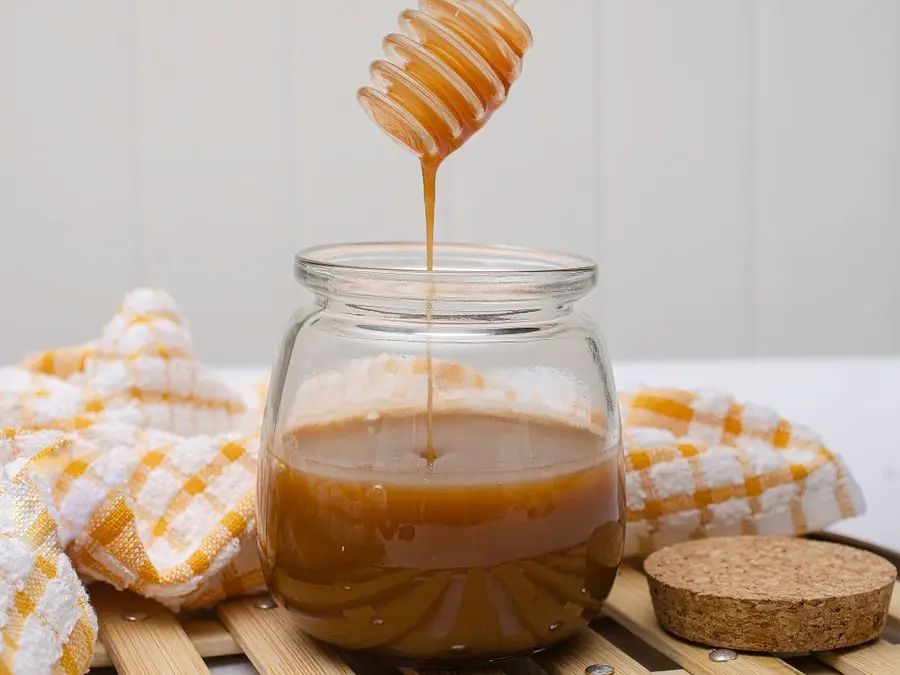 Veteran's Rosemary · Lemon · Ginger Honey DIYInfused Honey View recipe Hide recipe Print recipe
 TIER 1 LIVING
Veteran's Rosemary · Lemon · Ginger Honey
Cold-Infusion Protocol · Fresh Botanical Batch
Mission Profile
A small-batch, cold-infused honey made with fresh rosemary, lemon zest, and fresh ginger. This protocol is designed to preserve the raw, unheated character of honey while producing a bright culinary-apothecary infusion for warm drinks, tea, yogurt, fruit, dressings, and kitchen glazes.
TIER 1 STANDARD: Fresh botanicals introduce moisture. Use clean, very dry ingredients; keep all botanicals submerged; infuse under refrigeration only; strain completely; and keep the finished honey refrigerated. This is a refrigerator-only, short-life preparation.
Batch Specifications
Yield Approximately 1 cup / 240 mL Infusion method Cold infusion under refrigeration Infusion window 3–5 days Finished storage Refrigerated, tightly sealed Finished use window Best used within 2–3 weeks after straining Container Clean, completely dry 8–12 oz glass jar with lid Ingredients
Raw honey 1 cup — choose honey you enjoy eating plain; raw/unheated is preferred Fresh rosemary 1 small, 3–4 inch sprig — healthy, aromatic garden rosemary Lemon zest 1–2 wide strips — yellow zest only; avoid white pith Fresh ginger 1 thin coin, 1/8–1/4 inch — lightly crushed; clean and firm Fresh Botanical Prep
- Rosemary: Rinse only if needed; dry fully on a clean towel until no surface moisture remains. Lightly bruise.
- Lemon: Wash and dry fully. Take 1–2 strips of yellow zest only. Do not add lemon juice or juicy lemon slices to this cold batch.
- Ginger: Wash and dry; peel if desired. Cut one thin coin and lightly crush.
Execution Protocol
- Put rosemary, lemon zest, and ginger into a clean, dry jar.
- Pour honey in slowly. Press botanicals below the surface and work out trapped air bubbles using a clean, dry spoon.
- Seal and label: Rosemary · Lemon · Ginger Honey / Date Started / REFRIGERATE / STRAIN BY DAY 5.
- Refrigerate 3–5 days. Turn the sealed jar gently once daily, keeping all solids submerged.
- Taste on day 3. When balanced, strain out all rosemary, zest, and ginger. Do not exceed 5 days.
- Transfer to a clean, dry jar. Label with date strained and use-by date.
Storage Discipline
- Refrigerate continuously after assembly and after straining.
- Use within 2–3 weeks after straining.
- Use only a clean, dry spoon. Do not introduce water, wet tea bags, crumbs, or used utensils.
- Do not leave fresh rosemary, lemon zest, or ginger in the finished honey for long-term storage.
Mission Boundaries
- This is a culinary/apothecary-style food preparation, not a substitute for medical assessment, prescribed treatment, or emergency care.
- Never give honey of any kind to infants under 12 months old.
- Do not add eucalyptus essential oil — or any essential oil — to an edible honey preparation.
- Lemon zest is chosen over lemon juice because it adds aroma without the moisture of juice or slices.
- For a room-temperature rosemary honey, use fully dried rosemary and fully dried culinary botanicals — not fresh ingredients.
Quality Control
Pass Conditions Discard Conditions Botanicals remained submerged; aroma is clean, herbal, honeyed, and bright; no bubbling, foam, mold, or sour/yeasty odor; all botanicals removed after infusion. Bubbles or foaming; sour, yeasty, alcoholic, or off odor; mold; slime; unusual separation; visible botanical deterioration. Discard without tasting. Field Uses
Warm tea / comfort cup 8–12 oz comfortably warm water or tea + 1 tsp honey. Add a small squeeze of fresh lemon directly to the cup if desired. Sparkling botanical refresher 8–12 oz sparkling water + 1–2 tsp honey + ice + optional lemon wedge. Rosemary honey vinaigrette 1 tbsp rosemary culinary vinegar + 3 tbsp olive oil + 1 tsp rosemary-lemon-ginger honey + salt and pepper to taste. Kitchen glaze Brush lightly over roasted carrots, squash, chicken, pork, or grilled fruit near the end of cooking. Batch Intelligence Record — track your own batch
- Honey type / source
- Rosemary source / harvest date
- Lemon and ginger source
- Date started / day-3 flavor check
- Date strained / use-by date
- Flavor notes / next-batch adjustments
Free to Download
Printable Wellness Guides
Practical, printable guides you can take to the store, stick on the fridge, or share with the people who cook alongside you.
-
Keto-Friendly Shopping Guide (opens in a new tab)
A checklist-style grocery guide organized by aisle — proteins and dairy, vegetables and fruit, nuts and snacks, fats and pantry staples, and baking — with plain-language tips on reading labels and serving sizes, plus a planning sheet for your next trip.
It's a shopping resource, not a prescribed diet. If you live with diabetes, kidney or liver disease, or take insulin or other diabetes medicines, talk with your clinician before making a major change to how you eat.
Coming Soon
Herbal Remedies & Essential Oils
Grown in our own medicinal and culinary gardens in Bocas del Toro, then prepared into oils, balms, and teas you can bring into your everyday routine — with proceeds supporting Convergence's operations and sponsoring a Veteran's stay.
-
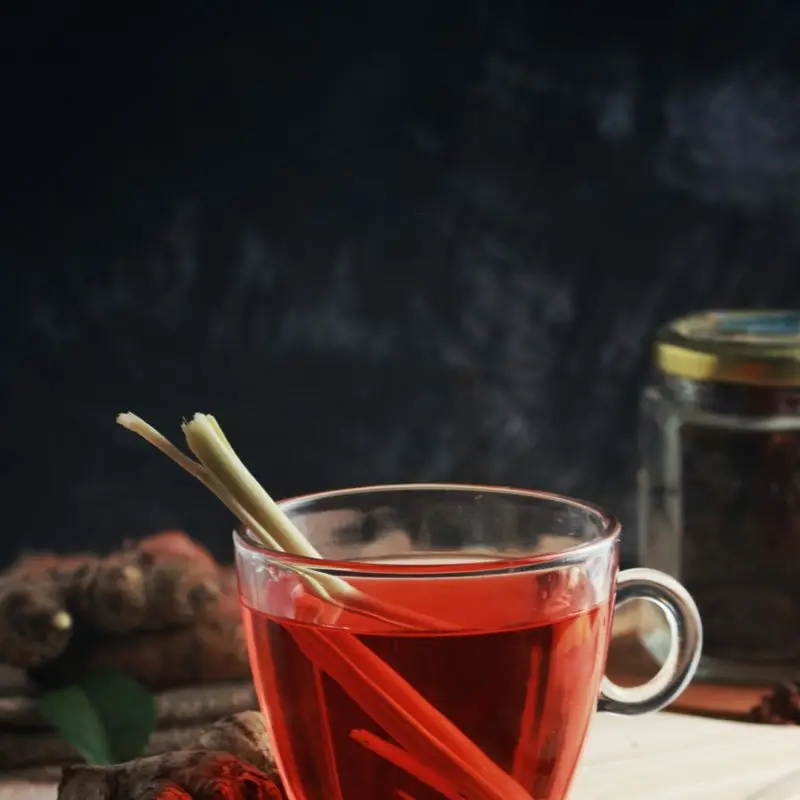
Lemongrass & Tulsi Calming Tea
A loose-leaf blend from our culinary garden — the same lemongrass and tulsi guests sip at the retreat.
-
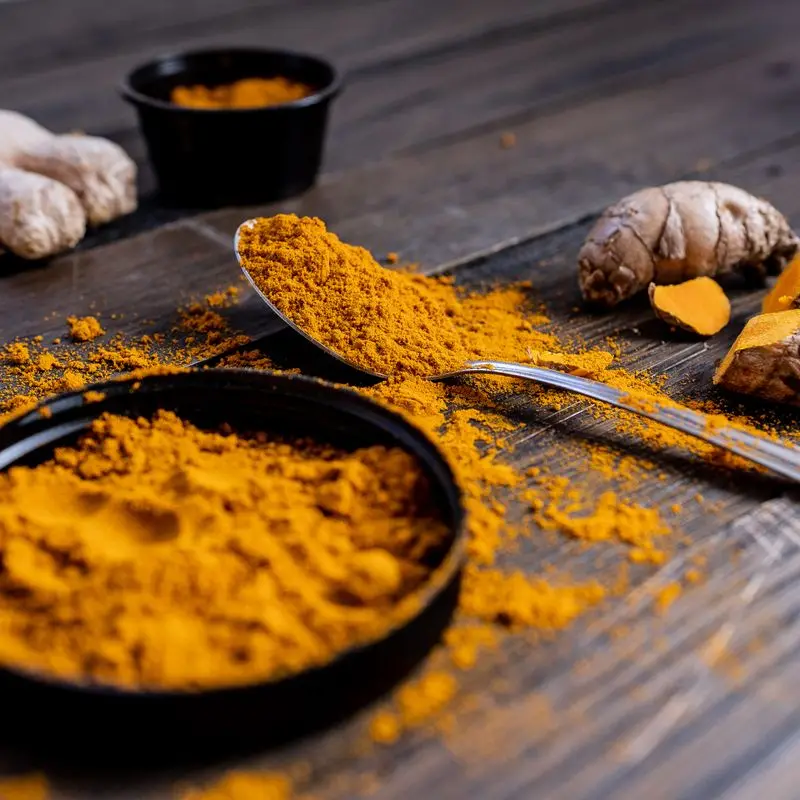
Turmeric-Ginger Wellness Balm
A topical balm crafted from fresh turmeric and ginger grown on the property.
-
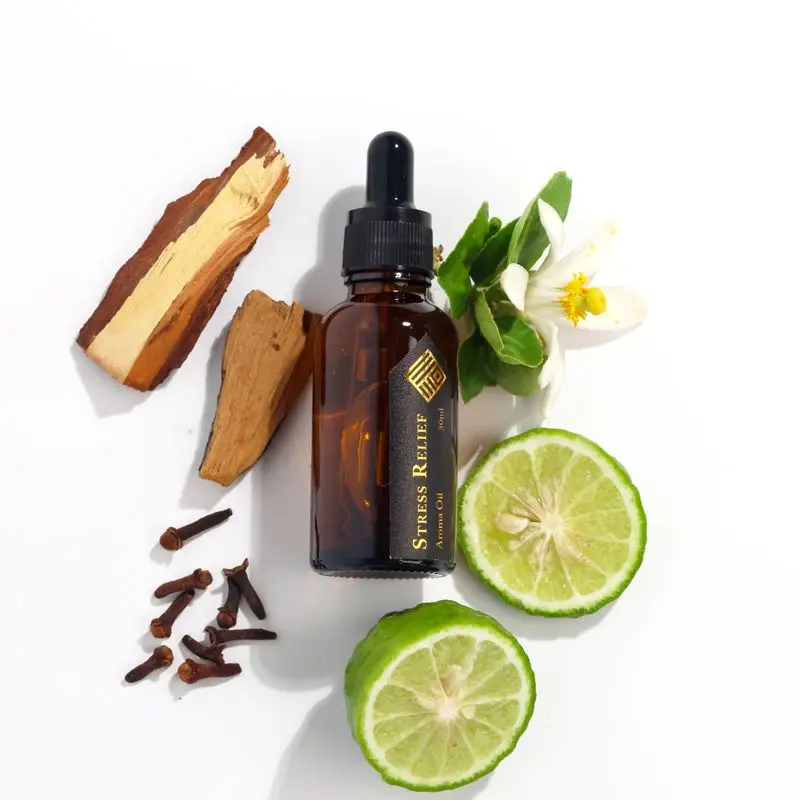
Citrus & Rosemary Essential Oil
Steam-distilled from citrus and rosemary grown in our gardens, for diffusing or topical use.
More remedies and oils are in development as the gardens mature. Sign up below to hear when they're ready.
Coming Soon
Books & Wellness Products
Beyond this page, we're building a small library of things you can hold in your hands — with proceeds going straight back into keeping Convergence running and sponsoring a Veteran's stay.

A Forthcoming Book by Mark Ford
Co-Founder Mark Ford — a Veteran, 27-year tactical medic, and certified peer counselor — is writing a book drawing on his years helping fellow Veterans identify, understand, and respond to trauma. Title and release date coming soon.
More books from Mark and Rose Ford, and other wellness products from the retreat, are also in the works. Sign up below to be the first to know when they're ready.
Disclaimer
This page is for general wellness and educational purposes only. It is not intended to diagnose, treat, cure, or prevent any disease, and these statements have not been evaluated by the FDA. This information is not a substitute for professional medical advice — consult a licensed healthcare provider before trying something new, especially if you are pregnant, nursing, or taking medication.